5 Signs Your Siding Has Dry Rot After the Winter Thaw
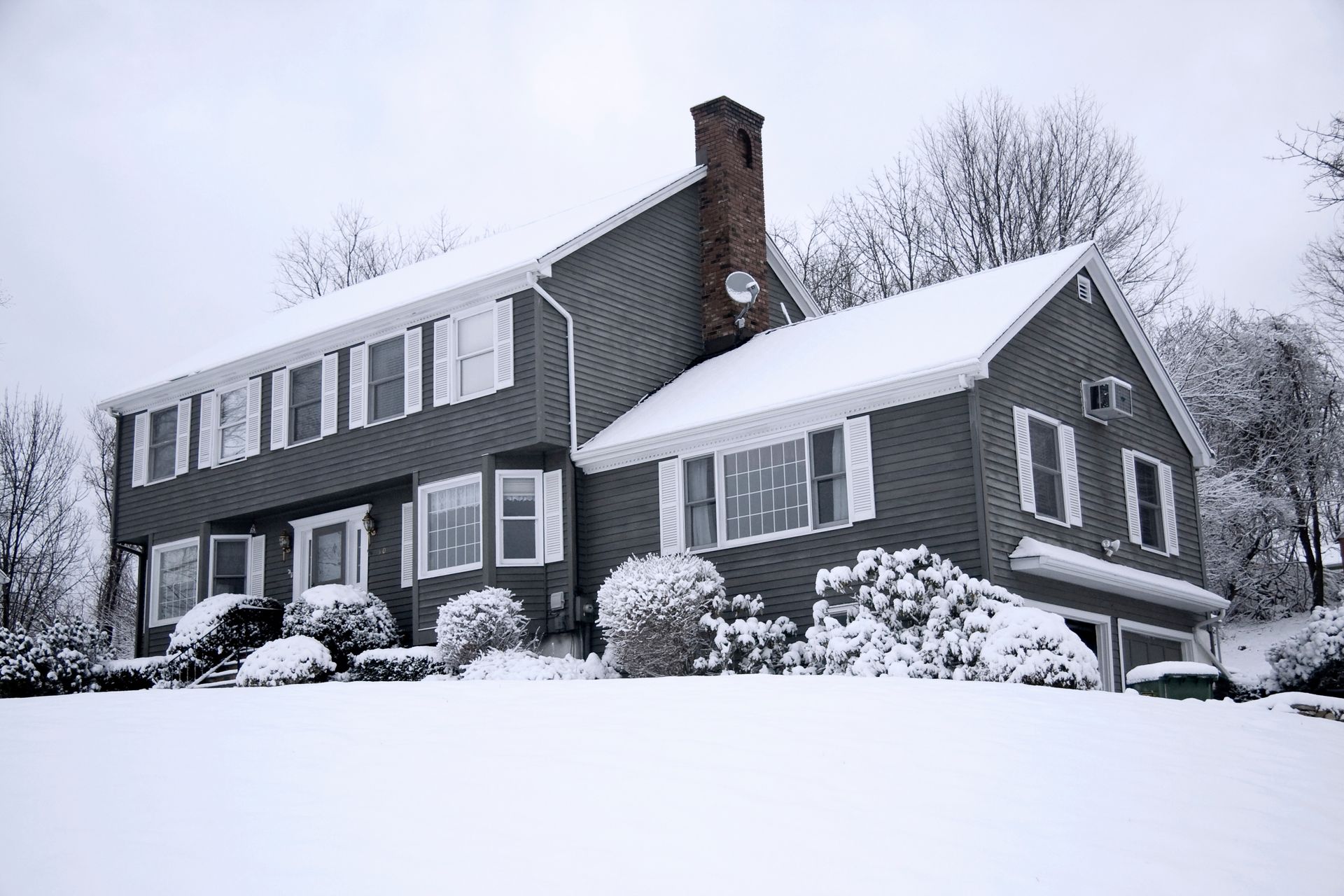
As snow melts and temperatures rise, many homeowners begin to notice exterior issues that were hidden during winter. One common problem revealed during the thaw is dry rot in siding. Understanding the signs your siding has dry rot after winter helps homeowners act early before structural damage spreads.
What Is Dry Rot and Why It Appears After Winter
Dry rot siding occurs when moisture becomes trapped in wood based materials, allowing fungi to break down the wood’s structure. Winter snow, ice, and freeze thaw cycles create ideal conditions for moisture infiltration.
When spring arrives, the damage often becomes visible as materials dry out and weaken.
1. Soft or Crumbling Siding Boards
One of the most noticeable signs of dry rot in siding is wood that feels soft when pressed. In advanced cases, siding may crumble or flake apart.
Healthy siding should feel firm and solid. Any softness indicates underlying moisture damage.
2. Peeling Paint or Bubbling Finishes
Paint that peels, bubbles, or cracks may signal moisture trapped beneath the surface. As moisture escapes during the thaw, finishes begin to fail.
This is often one of the earliest visible signs of rotting siding.
3. Discoloration or Dark Staining
Dark streaks, uneven coloring, or blackened areas on siding can indicate prolonged moisture exposure.
Discoloration is especially common around joints, seams, and areas where water runoff occurs.
4. Warped or Swollen Siding Panels
Moisture causes wood to expand. As it dries, the material may warp or pull away from the home.
Warped panels disrupt proper drainage and allow additional moisture to enter, worsening siding damage after winter.
5. Musty Odors Near Exterior Walls
In some cases, dry rot produces a musty smell near exterior walls or inside the home near affected areas.
This odor suggests fungal activity and moisture issues that may extend beyond the visible siding surface.
Why Dry Rot Should Be Addressed Quickly
Dry rot does not stop on its own. Left untreated, it can spread to underlying sheathing and framing, increasing repair costs and structural risk.
Early intervention helps limit damage and preserve the integrity of your home’s exterior.
How Dry Rot Is Repaired
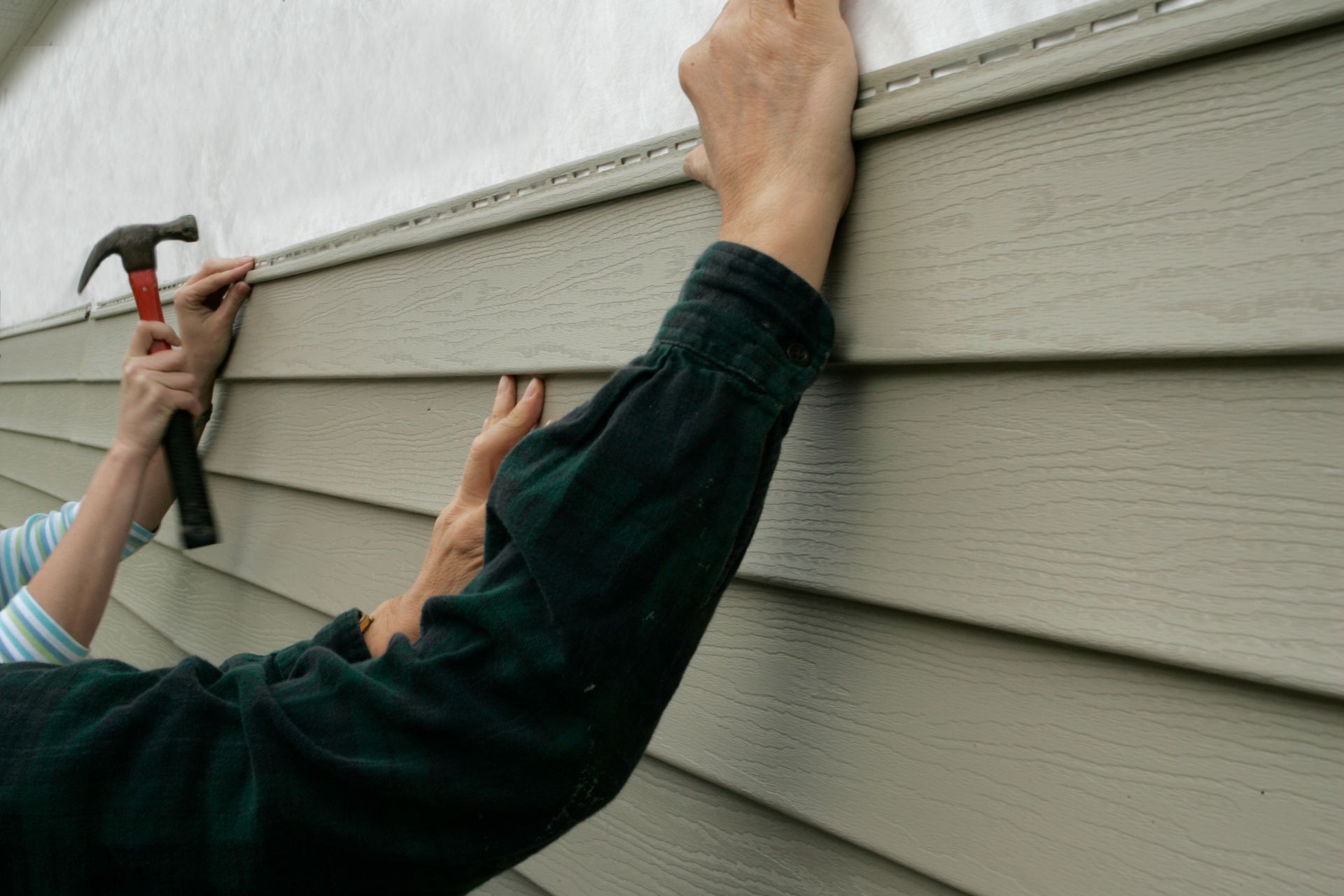
Repair typically involves removing affected materials, addressing moisture sources, and replacing damaged siding.
Proper flashing, sealing, and ventilation help prevent future moisture intrusion.
Protecting Your Home After the Winter Thaw
Spotting the signs your siding has dry rot after winter allows homeowners to act before damage escalates. Seasonal inspections and timely repairs protect your home’s structure and curb appeal. Robert Heh Construction provides professional siding inspections and exterior repair services to help homeowners address dry rot and restore long term protection.