Backfilling Best Practices: Why Compacting Soil Correctly Around Foundations Prevents Future Settling.
A strong foundation does more than support a structure above ground. What happens around the foundation matters just as much as the concrete itself.
One of the most overlooked stages of construction is foundation backfilling. To many homeowners, it may simply look like pushing dirt back against the foundation once excavation work is complete. But improper backfilling can create serious long-term problems for a property.
In 2026, builders and homeowners alike are paying closer attention to proper soil compaction because of the role it plays in preventing:
- foundation settling
- drainage issues
- cracked concrete
- uneven surfaces
- structural stress
When backfilling is rushed or performed incorrectly, the effects may not appear immediately, but they often become expensive over time.
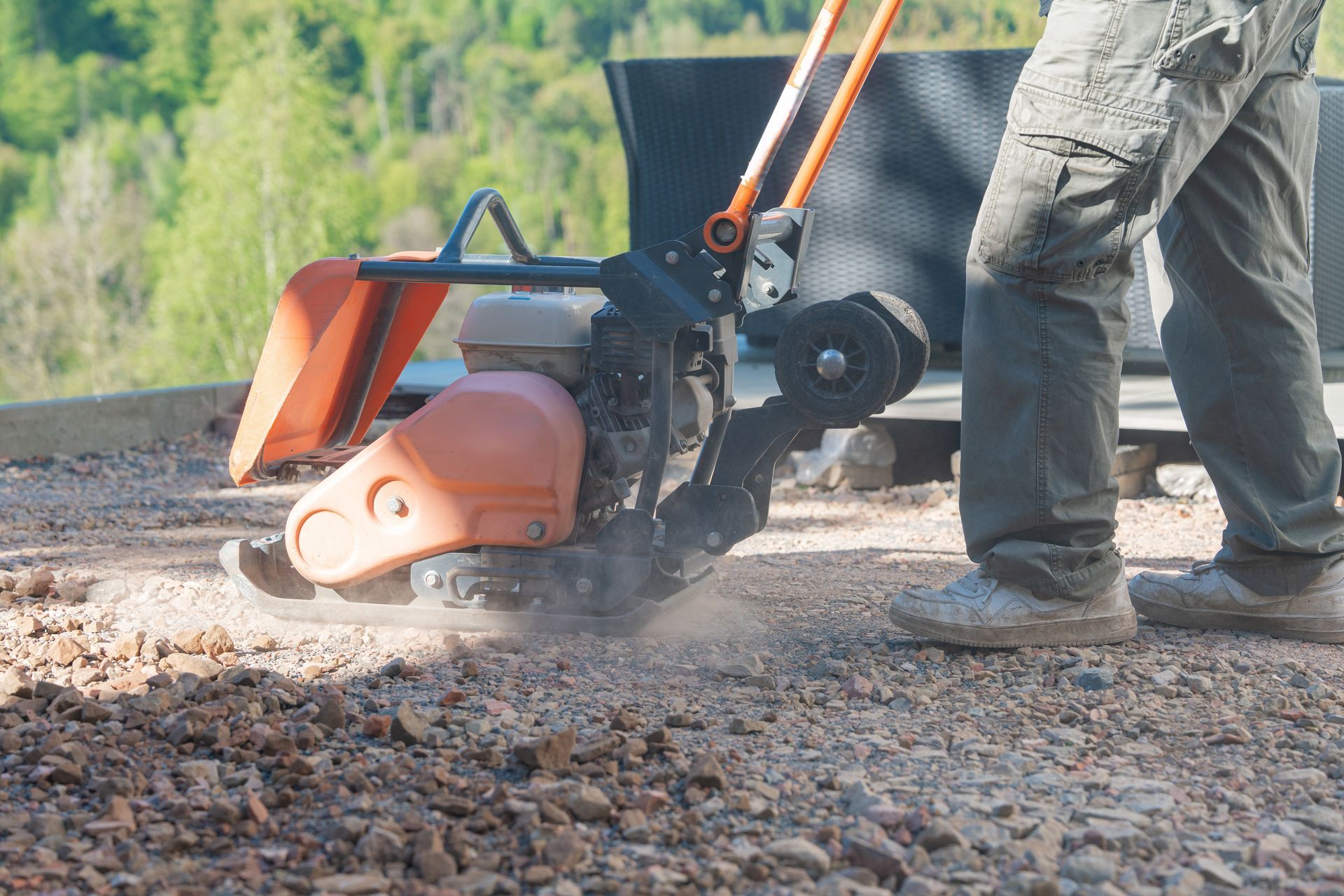
What Is Foundation Backfilling?
Foundation backfilling is the process of replacing soil around a newly constructed foundation after excavation and foundation work are completed.
This step helps:
- stabilize the surrounding area
- support grading and drainage
- prepare for landscaping and hardscaping
- protect the structure long term
While it may seem straightforward, the quality of the backfill process significantly affects how the surrounding ground behaves over time.
Why Soil Naturally Settles Over Time
All soil shifts and settles to some degree.
However, improperly compacted soil settles far more aggressively.
Loose backfill may eventually create:
- sinking ground
- uneven grading
- patio movement
- sidewalk separation
- water drainage problems
In severe situations, poor foundation soil compaction can even contribute to structural movement near the foundation itself.
Why Proper Soil Compaction Matters
Soil compaction helps reduce air pockets and stabilize the soil surrounding the foundation.
When soil is compacted properly:
- settling is minimized
- drainage improves
- structural support increases
- long-term ground stability improves
Without proper compaction, freshly replaced soil may continue compressing for years after construction is completed.
That movement can create visible sinking and shifting throughout the property.
Water Drainage Is Closely Connected to Backfilling
One of the biggest reasons proper foundation grading matters is water management.
Improperly compacted soil may allow:
- water pooling
- erosion
- shifting ground
- excess moisture near the foundation
Good grading and compaction help direct water away from the home instead of allowing it to collect around the structure.
This becomes especially important during:
- heavy rain
- snowmelt
- freeze-thaw cycles
Why Layered Compaction Creates Better Long-Term Stability
Professional excavation contractors typically compact soil in layers instead of dumping all material back at once.
This process helps:
- create more even density
- reduce hidden voids
- improve stability
- minimize future settling
Rushing the backfill process often creates inconsistent soil density, which increases the likelihood of future movement.
Different Soil Types Behave Differently
Not all soil responds the same way after excavation.
Factors like:
- clay content
- moisture levels
- sandy soil composition
- organic material
all influence how soil settles and compacts.
This is one reason professional site evaluation matters during foundation construction and excavation projects.
The correct compaction approach depends heavily on site conditions.
Signs of Improper Backfilling
Poor backfill work may eventually lead to:
- sinking areas near the home
- cracked sidewalks
- uneven patios
- drainage problems
- gaps near foundations
- pooling water
These issues may develop slowly over time, making the original cause difficult for homeowners to identify later.
Preventive Construction Practices Save Money Long Term
In 2026, homeowners are increasingly prioritizing:
- long-term durability
- preventive construction practices
- proper site preparation
- drainage-focused design
Investing in correct foundation backfilling during construction often prevents much larger repair costs later.
A properly prepared foundation area helps support the entire property more effectively over time.
Strong Foundations Depend on More Than Concrete Alone
The ground surrounding a foundation plays a major role in long-term structural performance. Proper compaction, grading, and backfilling help create better stability, drainage, and protection for the home long after construction is complete.
Robert Heh Construction provides professional excavation, grading, and foundation backfilling services designed to improve long-term stability and structural performance for residential construction projects.
What is foundation backfilling?
Foundation backfilling is the process of replacing soil around a completed foundation after excavation work.
Why is soil compaction important?
Proper soil compaction helps reduce settling and improve long-term ground stability.
Can poor backfilling cause foundation problems?
Yes. Improper compaction may contribute to drainage issues and structural settling.
Why is grading important around foundations?
Good foundation grading helps direct water away from the structure.
What are signs of poor backfill work?
Sinking ground, cracked concrete, and water pooling are common warning signs.