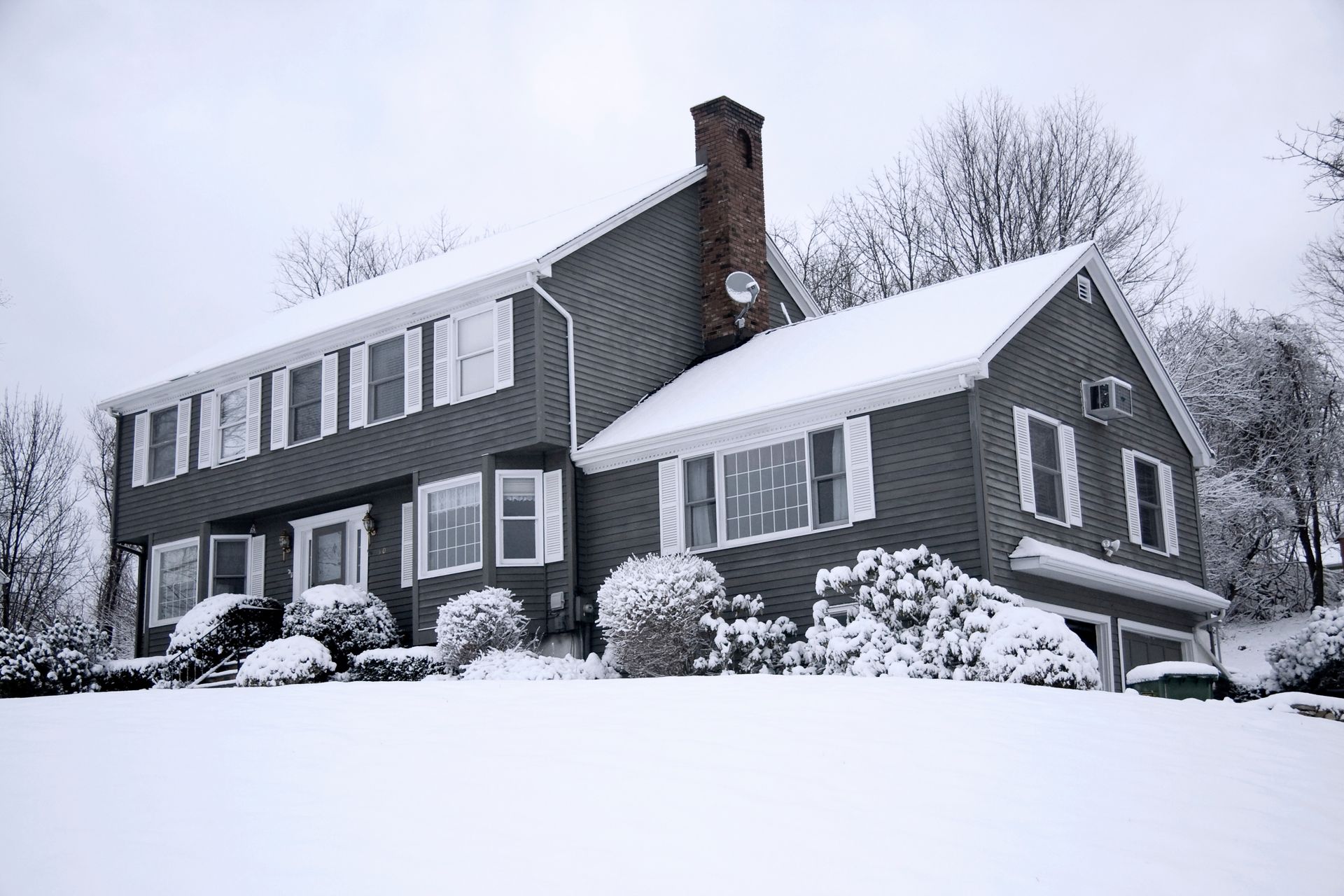
Planning a Structural Home Addition: Foundation & Framing Guide
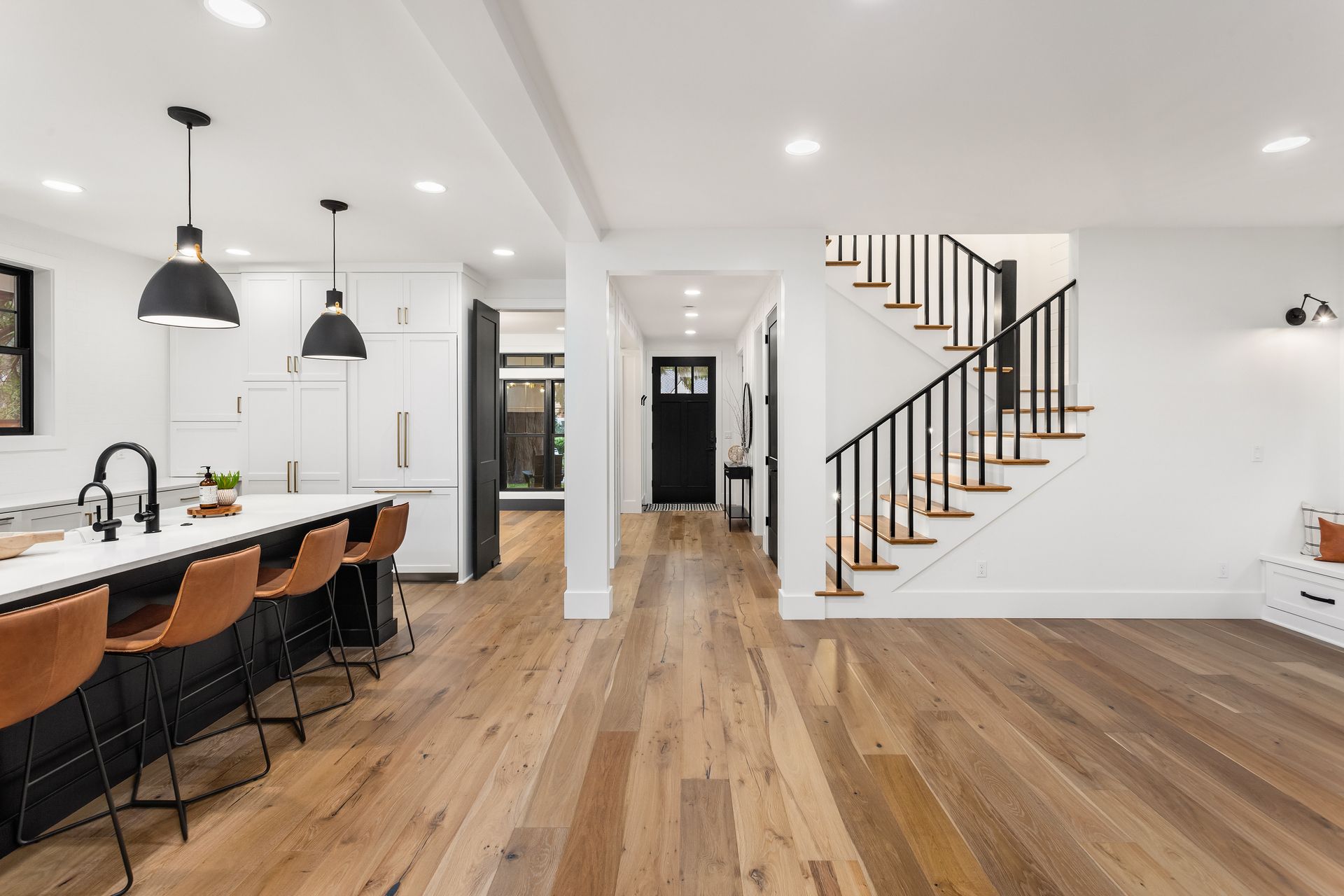
Expanding the physical envelope of your property with an upscale residential extension is one of the most rewarding methods to dramatically improve your daily comfort, upgrade household functionality, and skyrocket long-term real estate equity. Whether your project goals involve blueprinting an expansive primary suite, widening a gourmet kitchen into a multi-generational gathering space, building a dedicated executive home office, or constructing a standalone sunroom, executing a flawless layout requires a meticulous focus on engineering.
Behind every breathtakingly seamless home extension is an analytical, highly detailed design plan that addresses critical mechanical forces. While it is natural for property owners to focus primarily on high-end interior finishes, the real success of a major structural home addition relies entirely on the invisible structural systems beneath the surface drywall. Proper upfront engineering guarantees that your new space handles load changes safely, anchors flawlessly to your legacy home, and remains structurally sound across decades of changing weather patterns.
Every Home Extension Project Starts with Deep Foundation Design
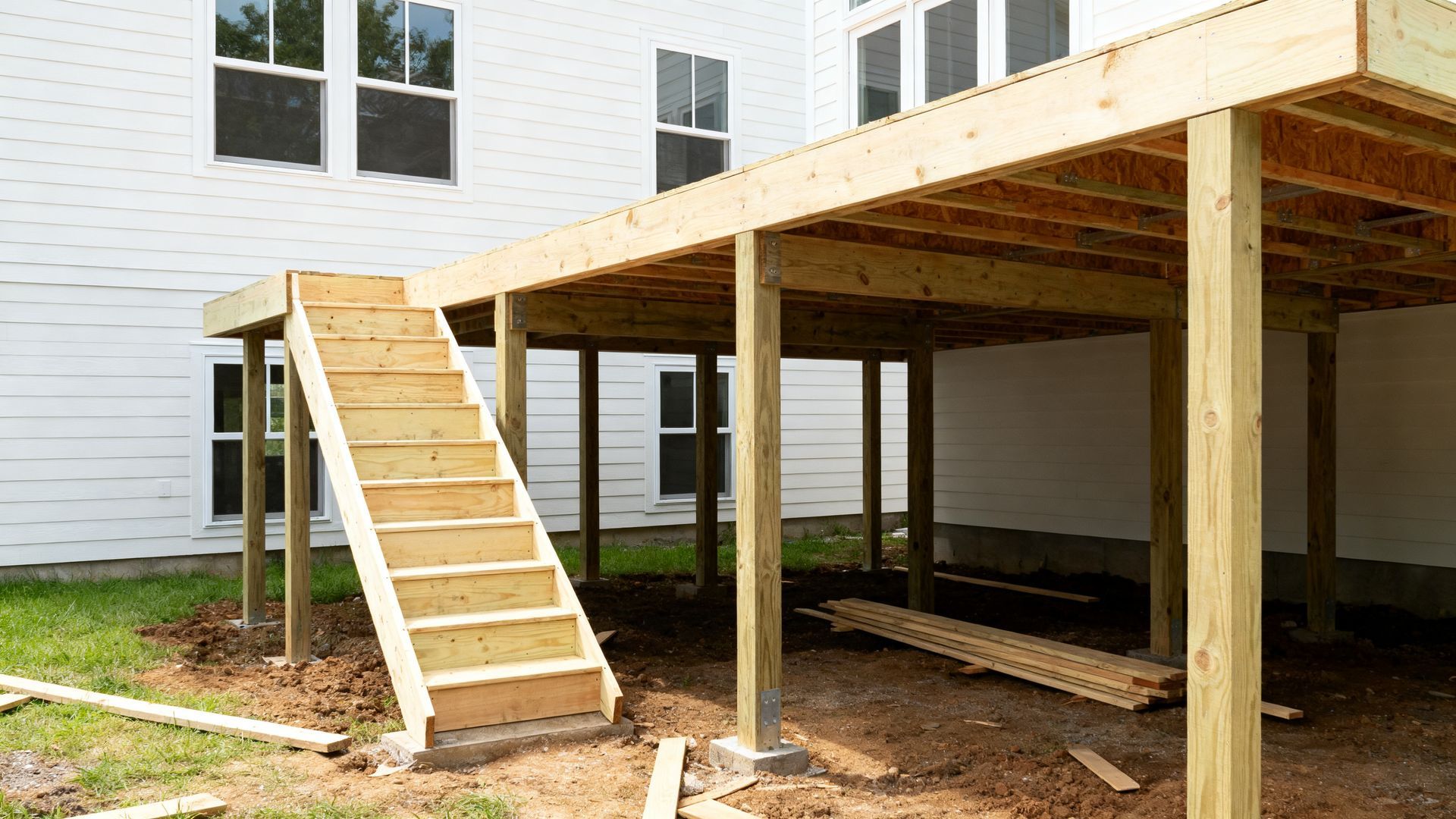
A resilient, lifelong addition demands a mathematically sound footprint. The underlying foundation serves as the core physical stabilizer that absorbs and redirects the immense, cumulative forces generated by your extension. It must support the static dead loads of structural timber, subfloors, and roofing systems, alongside the live loads of occupants, moving furnishings, and intense regional environmental pressures.
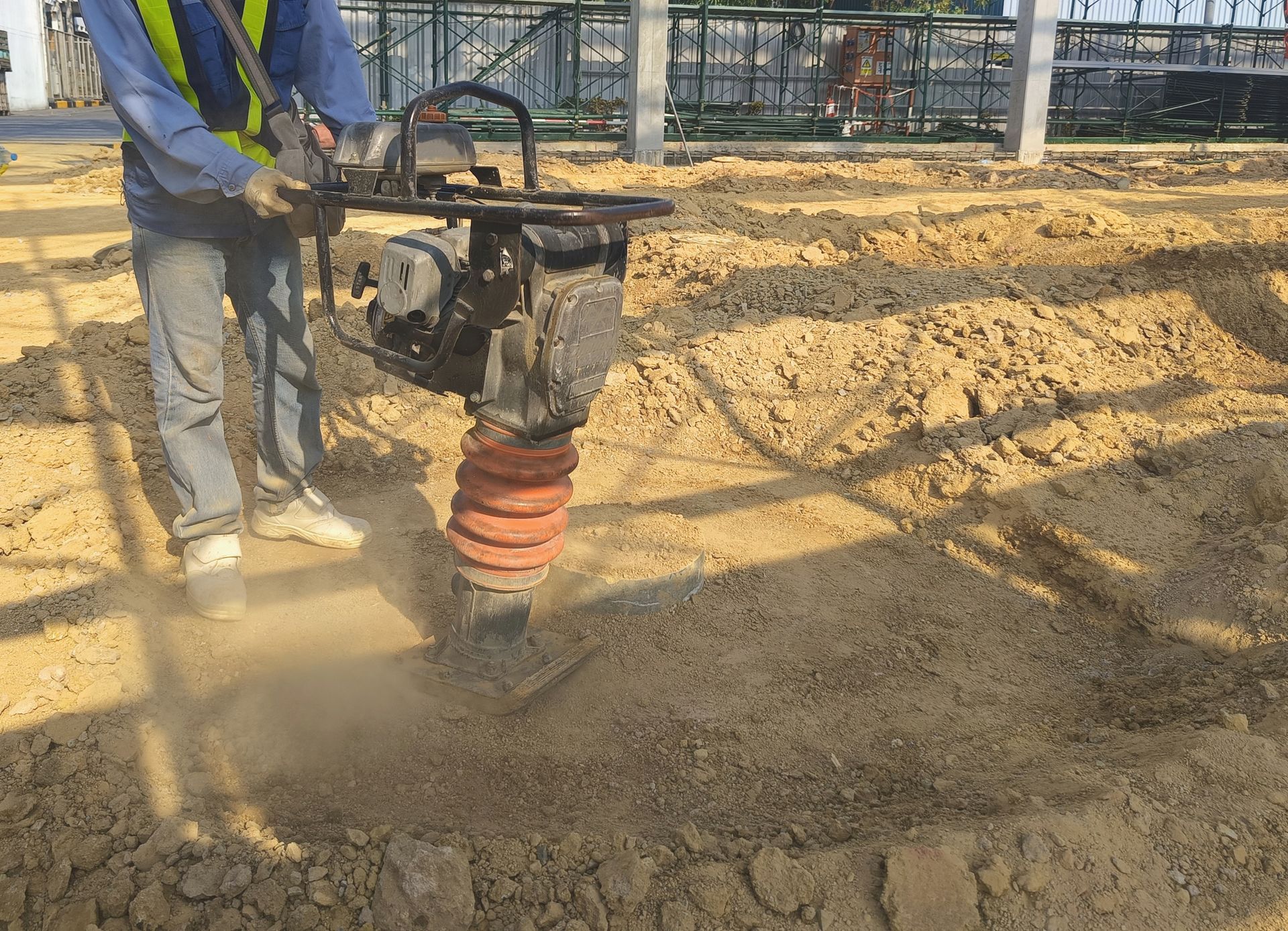
Failing to prioritize precise foundation design and localized site preparation leads directly to structural failure. Without an engineered base, an extension will settle at a completely different rate than your original house, resulting in cracked drywall, slanting subfloors, sticking exterior doors, and moisture intrusion points. Whether your building site requires a full-depth poured concrete basement, a traditional crawlspace configuration, or a heavy-duty frost-protected slab-on-grade, calculating the exact load distribution path is the single most critical phase of the prepress build process.
Localized Subsurface Realities: Calculating Soil and Frost Lines
No two building lots share an identical geological profile, making a universal approach to digging foundations highly risky. Before a single excavator bucket drops into the turf, a certified home addition contractor must execute a detailed forensic evaluation of the immediate subsurface conditions. This process requires analyzing localized variables to map out a safe building blueprint:
- Subsoil Matrix and Bearing Capacity: Testing the ratio of dense clay, sand, and organic loam to ensure the earth can support heavy concrete loads without shifting.
- Hydrostatic Pressure and Site Drainage: Analyzing regional water tables and setting custom surface grading slopes to shed heavy rainwater away from the structural seam.
- Local Frost Line Compliance: Digging footings deep past the regional frost depth line to protect the fresh masonry from the destructive heave of winter freeze-thaw cycles.
Investing in an honest, upfront site assessment eliminates the risk of future foundation settling, keeping your structural frame perfectly level and safe.
Constructing the Structural Skeleton: Advanced Framing Mechanics
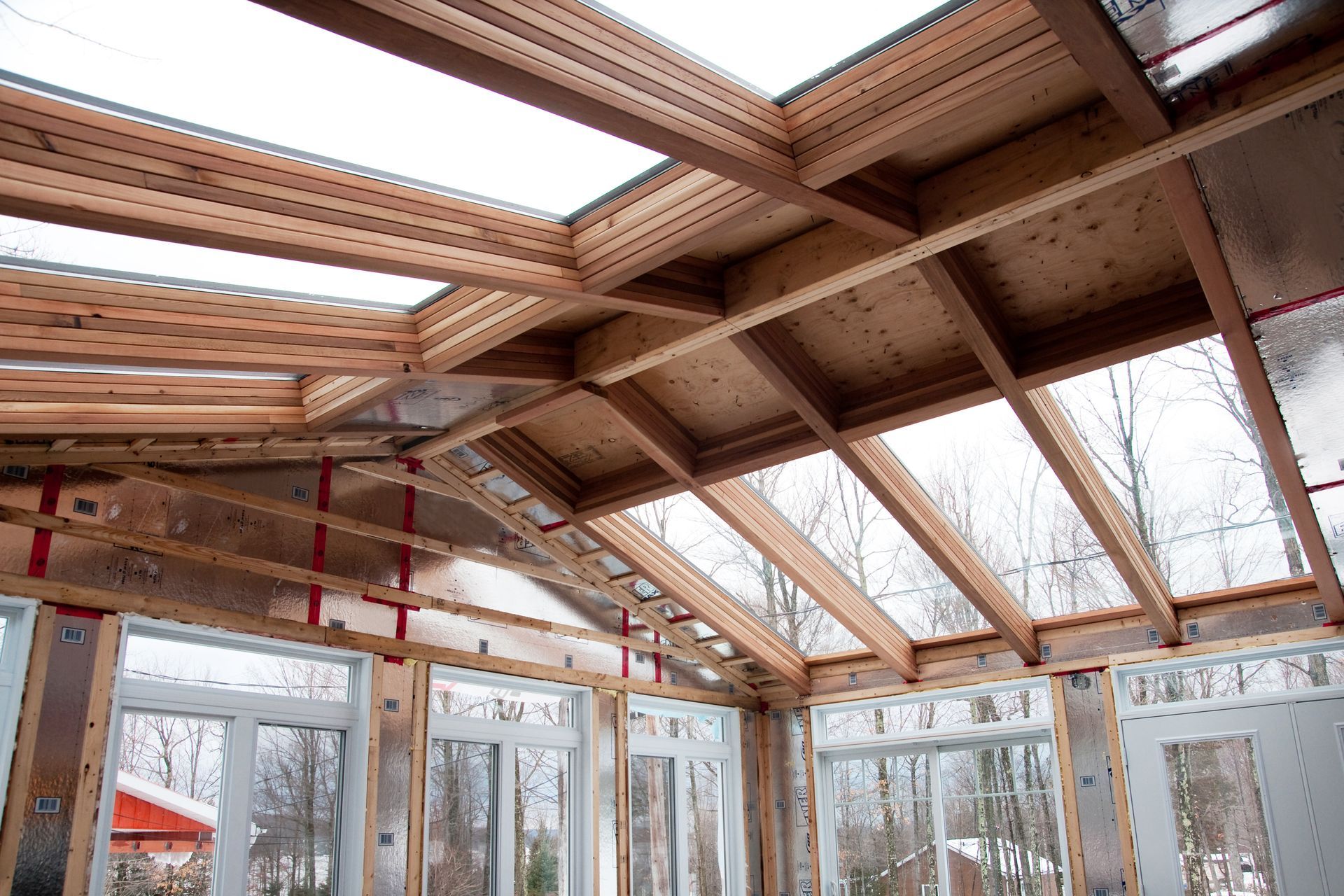
Once the foundation concrete has cured completely, the focus shifts to assembling the home's primary skeletal system. High-performance structural framing functions as the essential framework that gives your home addition its physical silhouette, wind resistance, and global load-bearing strength.
This phase is a complex exercise in structural continuity. The new structural timber matrix must be mechanically engineered to carry vertical gravity pressures down to the fresh footings, while simultaneously distributing lateral wind loads evenly across the property. When knocking out an existing exterior load-bearing wall to open up the floor plan, builders must install heavy-duty laminated veneer lumber (LVL) or steel I-beams. These beams redirect thousands of pounds of overhead roof weight safely across the wide span, preventing catastrophic ceiling sags and preserving your structural safety.
The True Engineering Masterclass: Seamless Roofline Integration
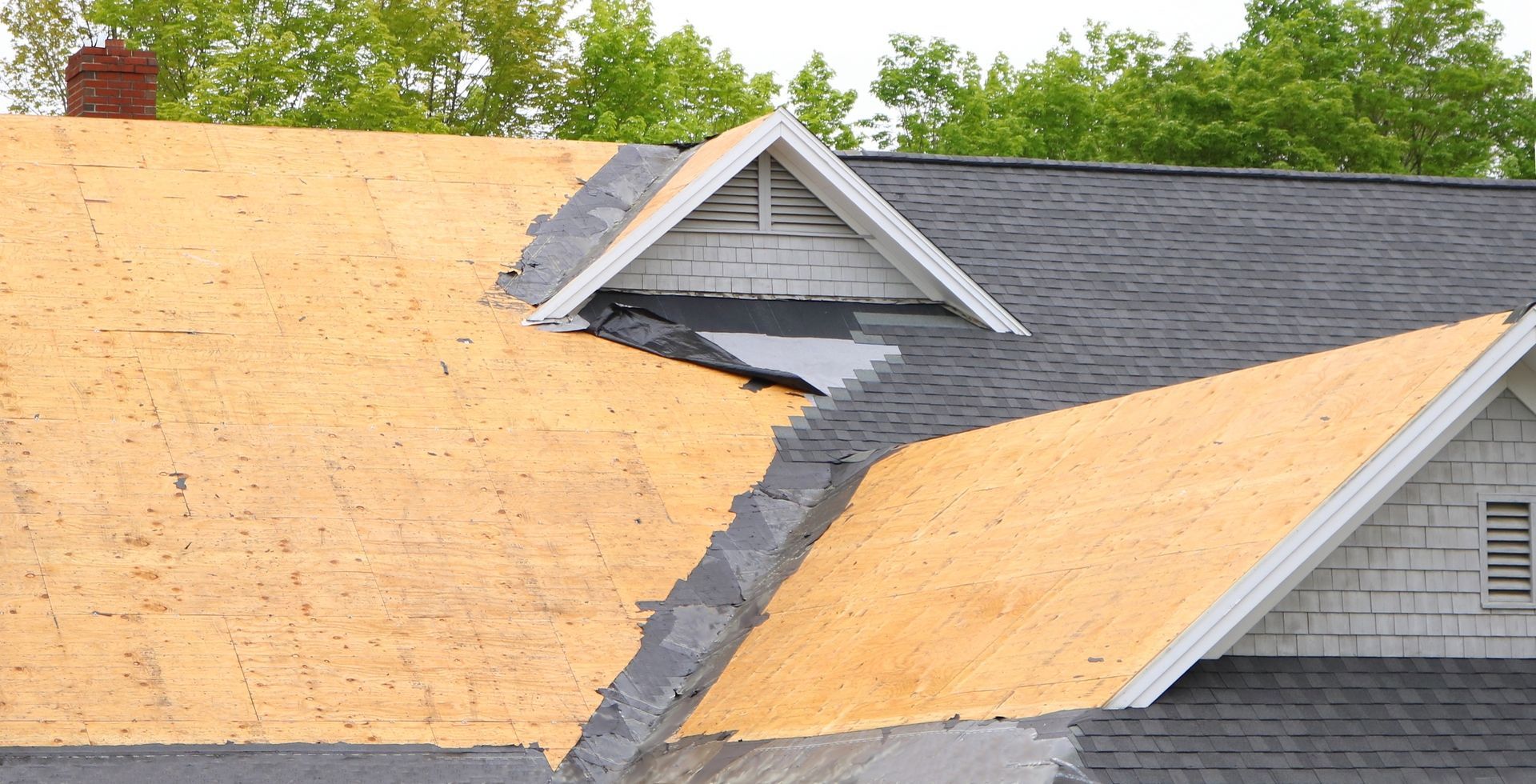
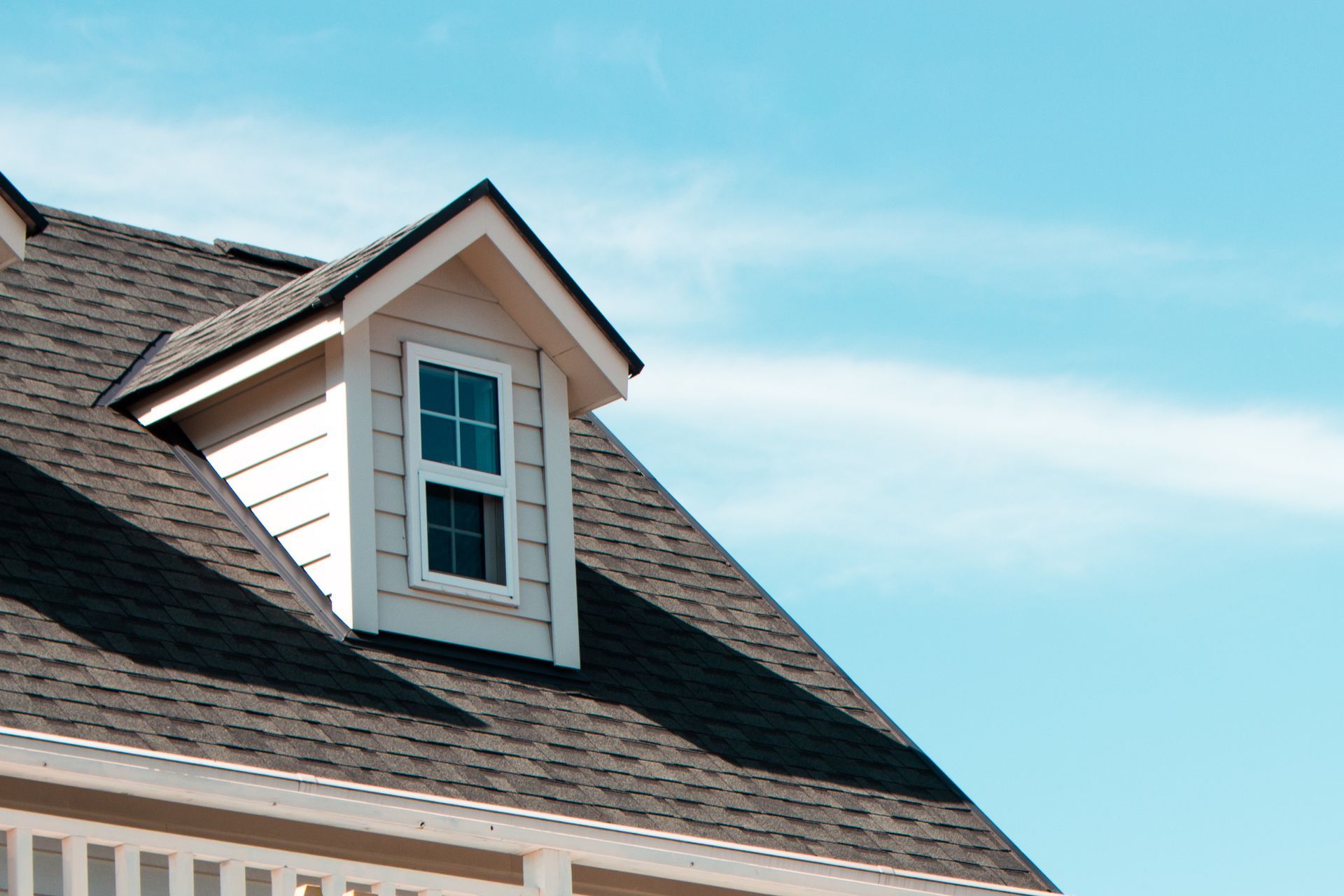
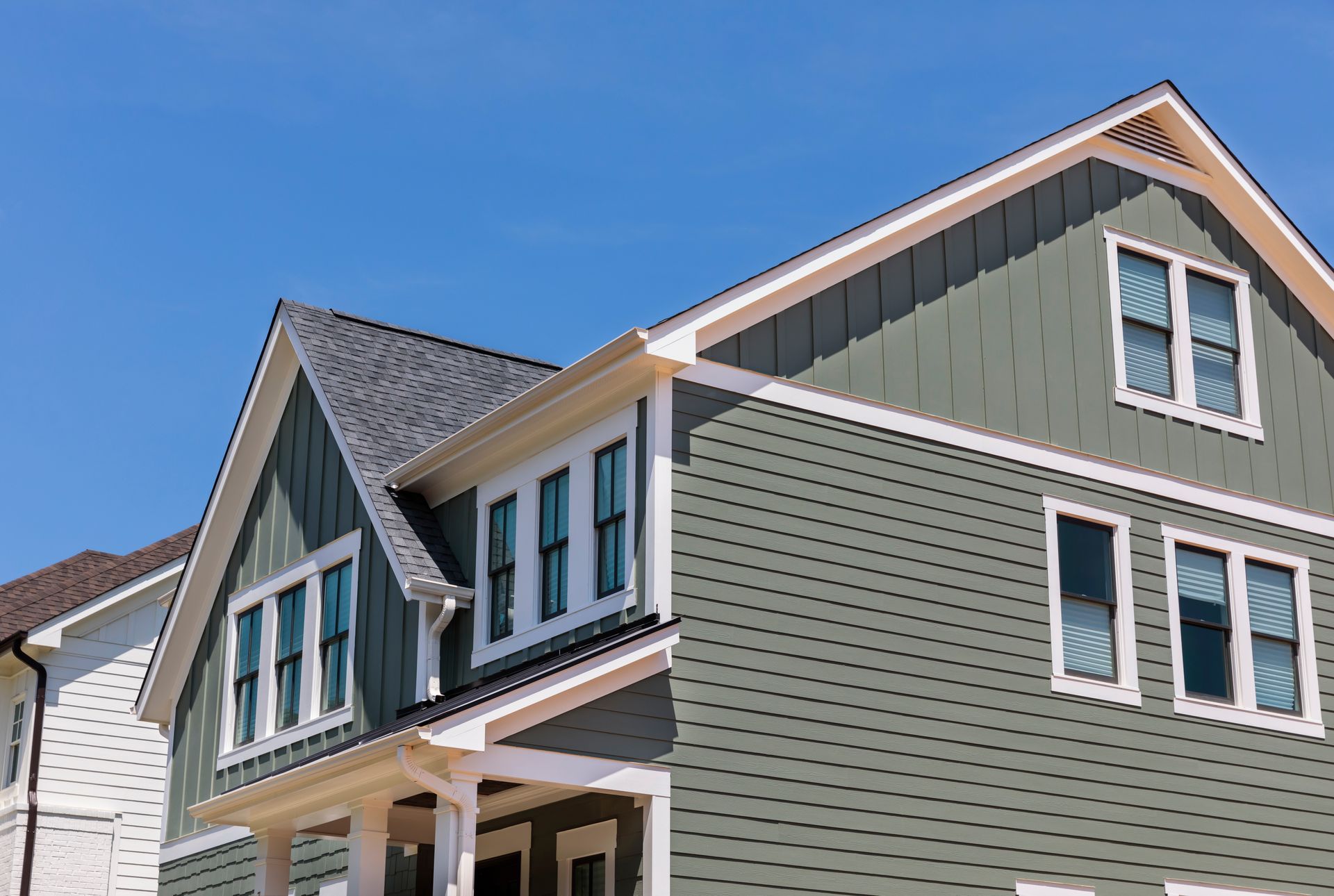
The most complex architectural challenge during any residential extension project is matching and mating two completely separate roofing footprints. Perfect roofline integration demands a flawless blend of geometric design and specialized mechanical framing, ensuring the new rafters tie into your existing rafters at a structurally stable vector.
Blueprinting a seamless roof connection requires managing multiple critical systems simultaneously. Master carpenters must calculate exact roof pitches and build custom valley transitions that direct heavy stormwater runoff cleanly away from the building seam. Furthermore, the fresh roof trusses must incorporate integrated ventilation channels that align with your home’s existing attic ventilation layout. This prevents dead air zones from trapping extreme radiant summer heat that would otherwise cook your shingles and shorten the lifespan of your materials.
Advanced Water Management Systems and Building Code Compliance
Whenever a new architectural roofline intersects a legacy building plane, you create a high-risk zone for potential water entry. A self-managed or low-grade roof connection quickly breaks down under heavy downpours, leading to hidden roof leaks, rotten rafters, compromised insulation, and toxic mold colonies inside your walls. Protecting this vital transition zone requires installing advanced, multi-tiered water defense systems.
Professional crews insulate these critical intersecting valleys with premium ice and water self-adhering membranes, heavy-gauge step flashing weaves, and custom-bent counter-flashing systems. Forcing these materials into a tight, weather-tight configuration keeps your property completely dry across severe weather events. This level of meticulous care is essential for passing rigorous local building code inspections, ensuring your new space satisfies all environmental safety, energy efficiency, and structural compliance laws.
Scale Your Living Space Safely with Robert Heh Construction
A premier residential addition represents a massive milestone in your property's lifecycle, and it requires a high-performance contractor who prioritizes technical engineering over cheap shortcuts. Allowing an un-certified crew to cut into your home's structural framing or skip vital foundation codes leaves your family exposed to severe financial and structural liabilities. Reclaiming your home’s full potential demands an experienced master builder who values precision and safety.
At Robert Heh Construction, we specialize in the art of elite residential transformations and high-end structural additions. Our seasoned teams manage every phase of your build with absolute transparency, combining rigorous architectural engineering with exceptional master carpentry to ensure your new wing blends flawlessly with your original home. Invest in certified luxury. Connect with our residential addition team today, or request a design consultation to discover how we can safely turn your creative space goals into a stunning reality.
What is the single most critical structural element when planning a home addition?
The foundation is the most critical element of the entire build. It serves as the baseline structural platform that absorbs the dead weight of the timber framing and the live weight of the interior contents, preventing the new wing from shifting and pulling away from your main house.
How do engineers prevent an addition from settling at a different rate than the main home?
Builders prevent uneven settling by executing a detailed subsoil analysis, digging concrete footings deep below the regional frost line, and utilizing specialized mechanical ties to securely anchor the new foundation walls directly into the legacy home's masonry foundation.
Why is roofline integration considered a highly complex construction task?
Mating a new roof requires precise geometric alignment to link separate rafters without overloading the old framework. It demands the installation of highly intricate valley frames, custom flashing systems, and continuous ventilation paths to prevent leaks and thermal traps.
What is an LVL beam and why is it used during a structural home addition?
An LVL (Laminated Veneer Lumber) beam is an engineered wood product that delivers exponentially higher strength and load-bearing capacity than traditional lumber. It is installed as a primary load-bearing header when opening up structural exterior walls to safely span wide gaps.
Are local building permits and structural compliance checks required for extensions?
Yes, absolutely. Any project that alters the footprint, structural framing, or utility lines of a residential dwelling requires full approval and building permits from local municipal authorities, verified through field inspections to guarantee total occupant safety.