What Causes Ice Dams on Pocono Roofs, and How Can Homeowners Prevent Damage?
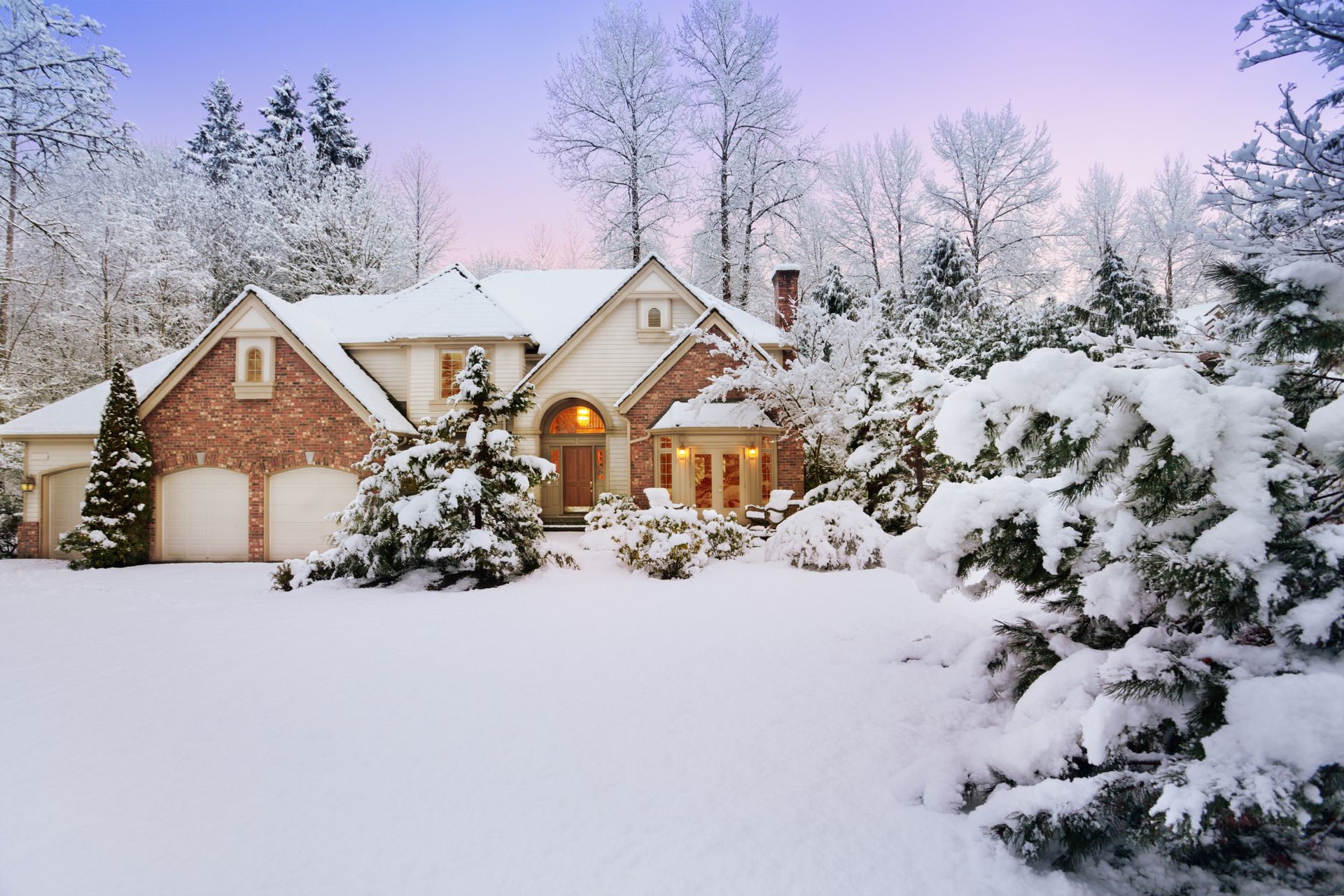
Winter in the Pocono Mountains brings beautiful snowy landscapes, but freezing temperatures and heavy snowfall can also create problems for residential roofing systems. One issue homeowners should understand is the formation of ice dams along roof edges.
Ice dams form when snow melts on a warmer section of a roof, flows toward the colder eaves, and refreezes. As ice builds up, additional melting snow may become trapped behind it, allowing water to work beneath roofing materials and potentially enter the home.
For homeowners throughout the Poconos, understanding what causes ice dams, recognizing early warning signs, and knowing when to seek professional roofing assistance can help reduce the risk of winter water damage.
What Is an Ice Dam, and How Does It Form?
An ice dam is a buildup of ice that develops along the lower edge of a roof, often near the gutters or eaves.
Although ice dams are associated with cold weather, they typically develop because different sections of the roof have different surface temperatures.
The process generally happens in several stages:
- Snow accumulates on the roof during winter weather.
- Heat escaping from the home, or other sources of roof warming, causes some of the snow to melt.
- Meltwater flows down the roof toward the colder edges.
- The water refreezes near the eaves, forming a ridge of ice.
- Additional melting snow can collect behind the ice, potentially allowing water to enter beneath the roofing materials.
According to the University of Minnesota Extension's guide to preventing ice dams, uneven roof temperatures are a major factor in ice dam formation.
The problem is not simply that snow or ice is present. It is the combination of snow cover, melting, refreezing, and restricted drainage that creates the potential for damage.
Why Are Pocono Mountain Homes Vulnerable to Ice Dams?
Homes throughout the Pocono Mountains experience winter conditions that can contribute to ice dam formation.
Snow accumulation, freezing temperatures, and periods of thawing and refreezing create an environment where roof drainage becomes especially important.
Several factors can increase the risk.
Heat Escaping Into the Attic
Warm air from living spaces can enter an attic through gaps around ceiling penetrations, attic access openings, and other poorly sealed areas.
When that heat warms the underside of the roof, snow on the surface may begin melting even while outdoor temperatures remain below freezing.
Insufficient Attic Insulation
Inadequate insulation can allow more heat to move from the living space toward the roof.
For certain roof assemblies, properly installed insulation and air sealing help maintain more consistent roof temperatures and reduce conditions that contribute to ice dams.
Roof Ventilation Problems
In conventional vented attic systems, properly designed ventilation helps maintain appropriate roof deck conditions.
Blocked soffit vents, inadequate airflow, or improperly installed insulation can interfere with the intended ventilation system.
However, not every roof uses the same ventilation design. The correct approach depends on the home's roof and attic construction.
Snow Accumulation and Roof Design
Heavy snow accumulation can provide the moisture needed for ice dams to develop.
Roof valleys, complex rooflines, and areas where snow collects may also require particular attention.
Because homes differ in design, age, and construction, the cause of repeated ice dam formation is not always obvious without a professional evaluation.
What Are the Warning Signs of Ice Dam Damage?
Ice dams are not always immediately visible, especially when roof edges are covered with snow.
Homeowners should watch for several possible warning signs.
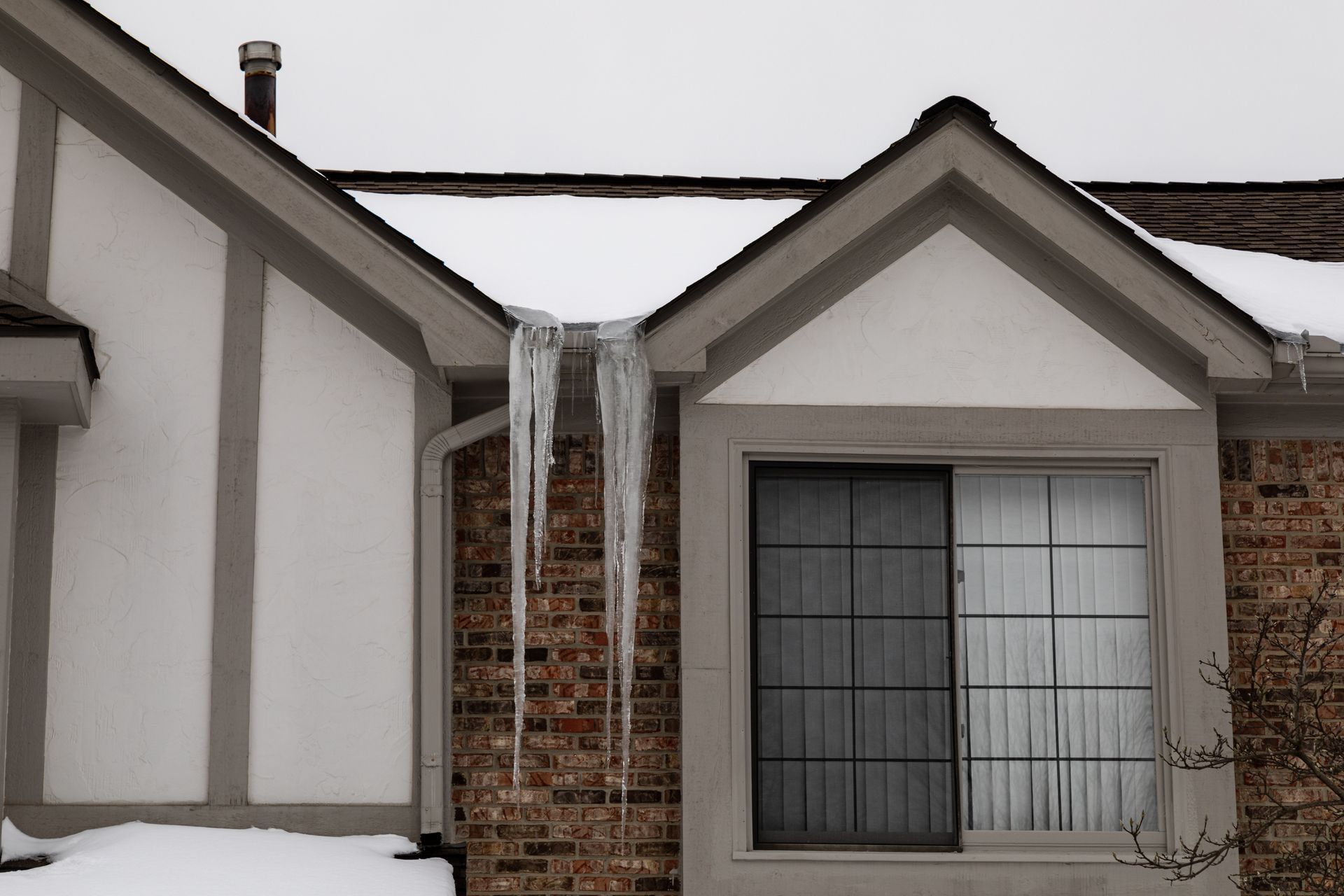
Large Icicles Along the Roof Edge
Icicles can indicate that snow is melting and refreezing near the eaves.
However, icicles alone do not prove that a damaging ice dam has formed.
Pay particular attention to unusually large ice formations or repeated buildup in the same areas.
Thick Ice Near Gutters and Eaves
A substantial ridge of ice along the lower roof edge may prevent melting snow from draining normally.
Ice buildup can also place stress on gutters and other roof-edge components.
Water Stains on Ceilings or Walls
One of the more concerning warning signs is water entering the home.
Look for discoloration, damp spots, or new water stains near exterior walls and upper-floor ceilings.
Damp Attic Insulation
Moisture in attic insulation or on roof sheathing may indicate a roof leak or another moisture problem.
Because attic moisture can have multiple causes, a professional evaluation may be necessary to identify the source.
Repeated Winter Leaks
If leaks occur during snowy or freezing conditions and seem to disappear during warmer weather, ice damming may be one possible explanation.
Recurring leaks should not be ignored, even when the visible water eventually dries.
Can Ice Dams Cause Roof Leaks and Interior Water Damage?
Yes. Ice dams can contribute to roof leaks when melting snow becomes trapped behind accumulated ice.
Water that cannot drain properly may work beneath shingles or other roofing materials, potentially reaching the roof decking and interior spaces.
Possible consequences include:
- Water stains on ceilings and walls
- Damaged drywall or interior finishes
- Wet attic insulation
- Moisture-related deterioration of wood components
- Mold growth when moisture problems remain unresolved
- Damage to gutters, fascia, and roof-edge materials
The severity of the damage depends on the roof's condition, the amount of trapped water, and how long moisture remains present.
Not every ice dam causes a leak, but visible water intrusion deserves prompt attention.
If you notice signs of winter roof damage, Robert Heh Construction provides professional roofing services in the Poconos, including roof inspections, repairs, and emergency roofing assistance.
How Can Homeowners Help Prevent Ice Dams?
Effective ice dam prevention focuses on reducing the conditions that cause uneven roof temperatures and water accumulation.
Several measures can help homeowners protect their roofs.
1. Address Attic Air Leaks
Air leaks between living spaces and the attic can allow warm indoor air to reach the roof structure.
Sealing appropriate openings around attic access points, ceiling penetrations, and other leakage areas may help reduce unwanted heat transfer.
Some locations require specialized materials or professional installation, particularly around chimneys, electrical components, and other heat-producing equipment.
2. Evaluate Attic Insulation
Proper attic insulation can help reduce heat loss and improve indoor comfort.
The U.S. Department of Energy's attic insulation guidance explains how insulation and air sealing work together to improve thermal performance and help prevent ice dams.
Insulation improvements should account for the home's existing construction, ventilation requirements, and applicable building codes.
3. Maintain Appropriate Roof Ventilation
For homes with vented attics, ventilation components should remain unobstructed and function as designed.
Blocked vents or insulation installed in the wrong locations can interfere with airflow.
A qualified professional can evaluate whether the existing roof assembly is functioning properly.
4. Keep Gutters and Downspouts Maintained
Gutters and downspouts should be inspected and cleared of accumulated debris as part of regular exterior maintenance.
Although clean gutters alone cannot prevent ice dams, proper drainage helps reduce other moisture-related problems around the roof and home.
For additional seasonal maintenance recommendations, read our guide to preparing your roof for fall in the Poconos.
5. Schedule Repairs for Existing Roof Damage
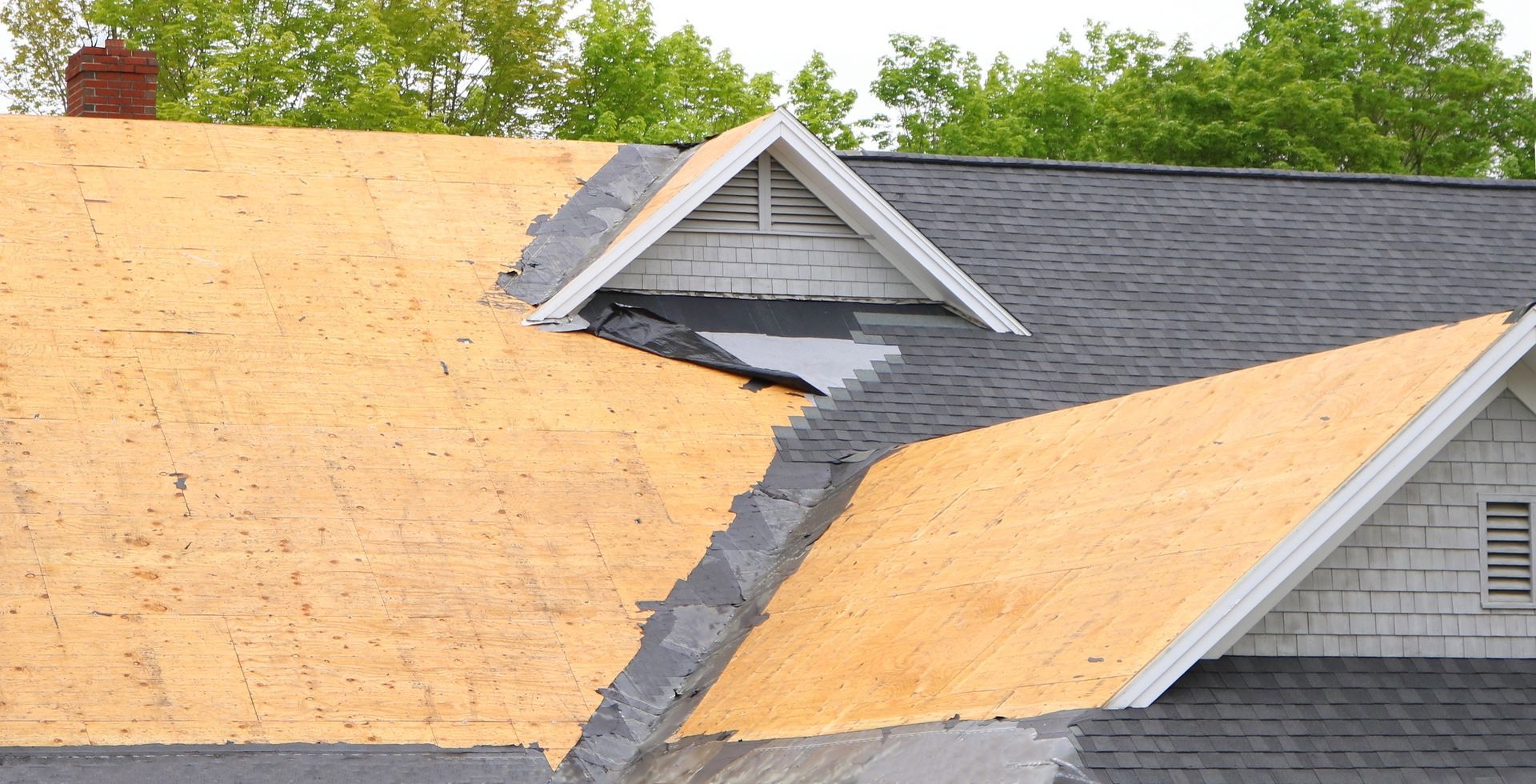
Missing shingles, damaged flashing, and deteriorated roofing materials can make water intrusion more likely.
Addressing known roofing problems before prolonged winter weather can help reduce the risk of additional damage.
A professional inspection can also identify areas that may need repair before the next significant snowfall.
Should You Remove Ice Dams Yourself?
Removing ice from a roof can be dangerous, especially during freezing temperatures.
Climbing onto a snow-covered or icy roof creates a serious fall hazard. Chipping away ice with sharp tools can also damage shingles, gutters, flashing, and other roofing components.
Homeowners should avoid:
- Climbing onto icy roofs
- Striking roof ice with hammers or sharp tools
- Using open flames or excessive heat to melt ice
- Pulling large ice formations from gutters
- Standing beneath heavy icicles or unstable ice buildup
The University of Minnesota Extension recommends professional assistance for hazardous roof ice conditions.
If ice buildup is accompanied by active leaking or visible damage, contact a qualified roofing professional rather than attempting risky removal methods.
When Should You Call a Roofing Professional About Ice Dams?
Some winter roof conditions can be monitored safely from the ground. Others require professional attention.
Consider contacting a roofing contractor when you notice:
- Water entering the home during snowmelt
- Repeated ice buildup in the same roof areas
- Large ice formations affecting gutters or roof edges
- New ceiling stains or damp attic materials
- Damaged shingles or flashing
- Recurring winter leaks
A roofing inspection can help determine whether water intrusion has damaged the roofing system and what repairs may be necessary.
In some cases, correcting the underlying cause may also require evaluating insulation, air sealing, or ventilation with an appropriate building-performance professional.
Robert Heh Construction has more than 30 years of experience serving homeowners throughout the Pocono Mountain area. Our team provides roofing inspections, repairs, replacements, and 24/7 emergency roofing services for urgent situations.
Do ice dams always cause roof leaks?
No. Not every ice dam results in water entering a home. However, ice dams can trap melting snow and increase the risk of water working beneath roofing materials, especially when the roof has vulnerable areas.
Can ice dams form on a new roof?
Yes. Ice dams can develop on newer roofs when snow cover, roof temperatures, and freezing conditions allow melting water to refreeze along the eaves. Proper roof design and installation can help reduce the risk of water intrusion.
Will cleaning gutters prevent ice dams?
Not by itself. Clean gutters support drainage, but ice dams primarily develop because of uneven roof temperatures and refreezing snowmelt. Attic air sealing, insulation, and appropriate ventilation are often more important for prevention.
Does adding attic insulation help prevent ice dams?
Proper insulation can help reduce heat transfer toward the roof. However, insulation should be evaluated alongside air sealing and the home's ventilation or roof assembly design.
What should I do if an ice dam is causing a roof leak?
Avoid climbing onto the roof or attempting to break apart the ice. Protect belongings from interior water where it is safe to do so, document visible damage, and contact a qualified roofing professional to evaluate the problem.
Does Robert Heh Construction offer winter roof repairs in the Poconos?
Yes. Robert Heh Construction provides roof repairs, inspections, replacements, and 24/7 emergency roofing services throughout the Pocono Mountain area. Homeowners can contact the team to discuss urgent roof leaks or other roofing concerns.
Protect Your Pocono Home From Winter Roof Damage
Ice dams are a common concern in snowy climates, but understanding how they form can help homeowners recognize potential problems before water damage becomes more extensive.
Proper roof maintenance, attention to attic conditions, and timely repairs all play a role in protecting a home during the winter months.
If your roof is showing signs of leaks, damaged materials, or recurring ice-related problems, Robert Heh Construction is here to help.
As a family-owned construction company with more than 30 years of experience serving the Pocono Mountains, we are committed to dependable service, quality craftsmanship, and practical roofing solutions.
Contact Robert Heh Construction today to discuss your roofing concerns or request an estimate.